







After many years of trying, Gravity Forms finally scores its ideal domain name. The maker of the popular Gravity Forms plugin for WordPress has acquired the domain name gravity.com. Gravity Forms announced the acquisition on Twitter ... Continue Reading2 Comments

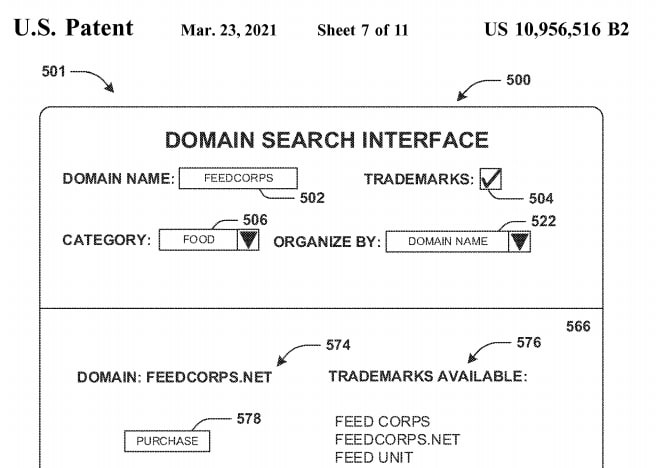
Oath (Yahoo) gets patent for integrated domain + trademark search
· Domain RegistrarsIdea could help people register a domain and trademark at the same time. The U.S. Patent and Trademark Office has granted patent number 10,956,516 (pdf) to Oath Inc. (Yahoo) for "Collectively performing domain searches and trademark ... Continue Reading5 Comments

Ontario company paid $137,500 to buy Sandwich.com from Yahoo!
· Domain SalesA small Canadian company bought Sandwich.com in the Yahoo! domain name auction last month. The first three domains that Yahoo! sold in a domain name auction last month have changed hands, including the biggest sale of all: $137,500 for ... Continue Reading12 Comments

Yahoo! sells Sandwich.com for $137,500, and here’s the history behind 9 other domain names it sold at auction today.
· Domain SalesToday Yahoo! sold domain names that it picked up by acquiring Broadcast.com, HotJobs.com, Overture, and many others. I have to admit, I'm a sucker for dot.com nostalgia. Watching the Yahoo! domain name auction on Sedo today brought back memories of ... Continue Reading3 Comments
Yahoo! domain auction now has over 500 domain names
· Domain SalesMore domains, including several hundred from Associated Content, have been added to the Yahoo! domain auction. The list of domain names Yahoo! is offering in a domain name auction currently running on Sedo has expanded to over 500 domain names. Many of ... Continue Reading5 Comments

What the Yahoo! auction tells us about getting PR for domain name auctions
· Domain SalesIf you want press about a domain auction, you need a unique angle. Last week Sedo announced its latest online auction, and the press ate it up. The auction was covered by L.A. Times, Investors' Business Daily, TechCrunch, CNET, MarketWatch, CNBC, ... Continue Reading11 Comments
Sedo auctioning off 100 of Yahoo’s domain names including AV.com
· Domain SalesAV.com, Sled.com, and other Yahoo domain names go on the auction block. Sedo is holding an auction this month in which it is selling over 100 of Yahoo's domain names. The auction runs November 11-21. Currently there are just 29 domains listed on the ... Continue Reading8 Comments


Yahoo gets patent for prioritizing cybersquatting cases
· Policy & LawPatent covers discovering and prioritizing cybersquatting issues. The U.S. Patent and Trademark Office has granted patent number 8,499,032 (pdf) to Yahoo for a "System and method for compiling a set of domain names to recover". The invention, which ... Continue Reading2 Comments
Yahoo Upset About X-Rated Flickr Sites
· Policy & LawCompany files complaint over sites that use its Flickr brand. Yahoo has turned to the World Intellectual Property Organization (WIPO) to help it shut down two X-rated sites that use Flickr in their domain names. The company filed the complaint with ... Continue Reading5 Comments
Google Kills URL Forwarding as Yahoo Caps Some Non-.Com Domains
· Domain ParkingDomain parking ad providers make changes. There have been two announcements from the big domain parking ad providers over the past 24 hours that may affect your domain parking company. According to an email from NameDrive, Google is banning URL ... Continue Reading4 Comments


