






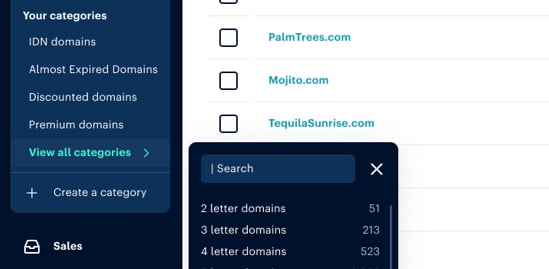
Dan.com releases new features, including domain categories. Domain name sales platform Dan.com announced a product update today, including the ability to add domains to user-defined categories. We should probably call domain categories "category ... Continue ReadingLeave a Comment

Video: How to set up Keyword Locking on Uniregistry
· Domain ParkingSee how to lock keywords for your domain name. The recent DVT.com UDRP decision was a good reminder of how parking a domain name can be helpful in a cybersquatting case...IF the ads are related to the dictionary context of the name rather than a ... Continue ReadingLeave a Comment
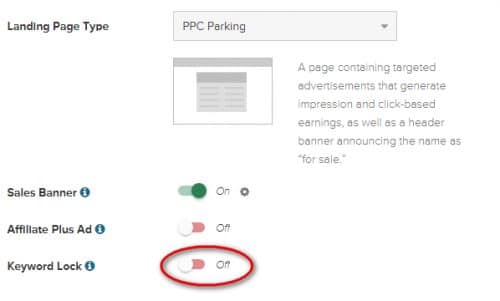
How to set a keyword category on Uniregistry parked domains
· Domain ParkingHow to protect your valuable domains using Keyword Lock. If you own a good dictionary word domain name then there's a good chance a company has adopted this word as part of its brand. This could cause an issue for you if you park the domain and show ... Continue Reading1 Comment
Domain Industry Roundup – DNW Podcast #157
· PodcastsFive interviews from Merge bring you up-to-speed on the domain business. This week we catch up with five people in the domain name industry with interviews from last week’s Merge conference. You’ll hear from Dr. Hani Armstrong with Protected Parking ... Continue ReadingLeave a Comment

Rewind: Tucows for $1.00, go-go parking revenue and CreditCards.com
· UncategorizedA look back at the domaining world ten years ago this month. Remember 2007? It was go-go times in the stock market and we didn't know what was about to happen. The great recession was knocking on the door. I just took a look back at Domain Name ... Continue Reading2 Comments
Parking page ads lead to a UDRP loss
· Domain ParkingWhat ads show up on a parked page make a big difference. Anyone can own the domain name MyEnterprise.com. Enterprise is a dictionary word, often referring to businesses and large organizations. But the owner of MyEnterprise.com just lost the domain ... Continue Reading37 Comments
Why your new TLDs won’t work well with domain parking (yet)
· Domain ParkingDomain parking ads don't consider the full meaning of a domain name that spans the dot. A couple weeks ago Donuts launched the .cash top level domain name. This got me thinking about domain parking. I've owned a few .com domain names with the term ... Continue Reading1 Comment

How I busted another click fraud (and auction fraud) scheme
· Domain ParkingA silly mistake tipped me off to a click fraud and pump-and-dump scheme. Every once in a while, someone running a click fraud scam slips up. And sometimes they slip up in a big way: by accidentally tipping me off about it. For example, In August ... Continue Reading20 Comments
Domain parking clawback dings Demand Media earnings, plus first look at Rightside numbers
· Domain ParkingCompany hit with parking clawback from a previous quarter. Ask any domain parking company about their top frustrations, and clawbacks will be high on the list. Basically, their upstream ad partner will clawback previously paid revenue based on traffic ... Continue ReadingLeave a Comment
First signs of Google’s new domain parking client identification program…
· Domain ParkingInternet Traffic asks customers to identify themselves as part of new Google initiative. One of the topics discussed extensively in the hallways at Webfest this year was changes Google is making to its parking program. Although I don't have all of ... Continue Reading2 Comments


